Offshore wind energy has moved from a promising concept to a central pillar of global renewable energy strategies. As countries invest heavily in clean power, wind farms are expanding further offshore, where stronger and more consistent winds can be harnessed. However, with this expansion comes a new set of logistical and operational challenges. Maintaining turbines miles away from land, often in harsh sea conditions, requires precision, reliability, and continuous support.
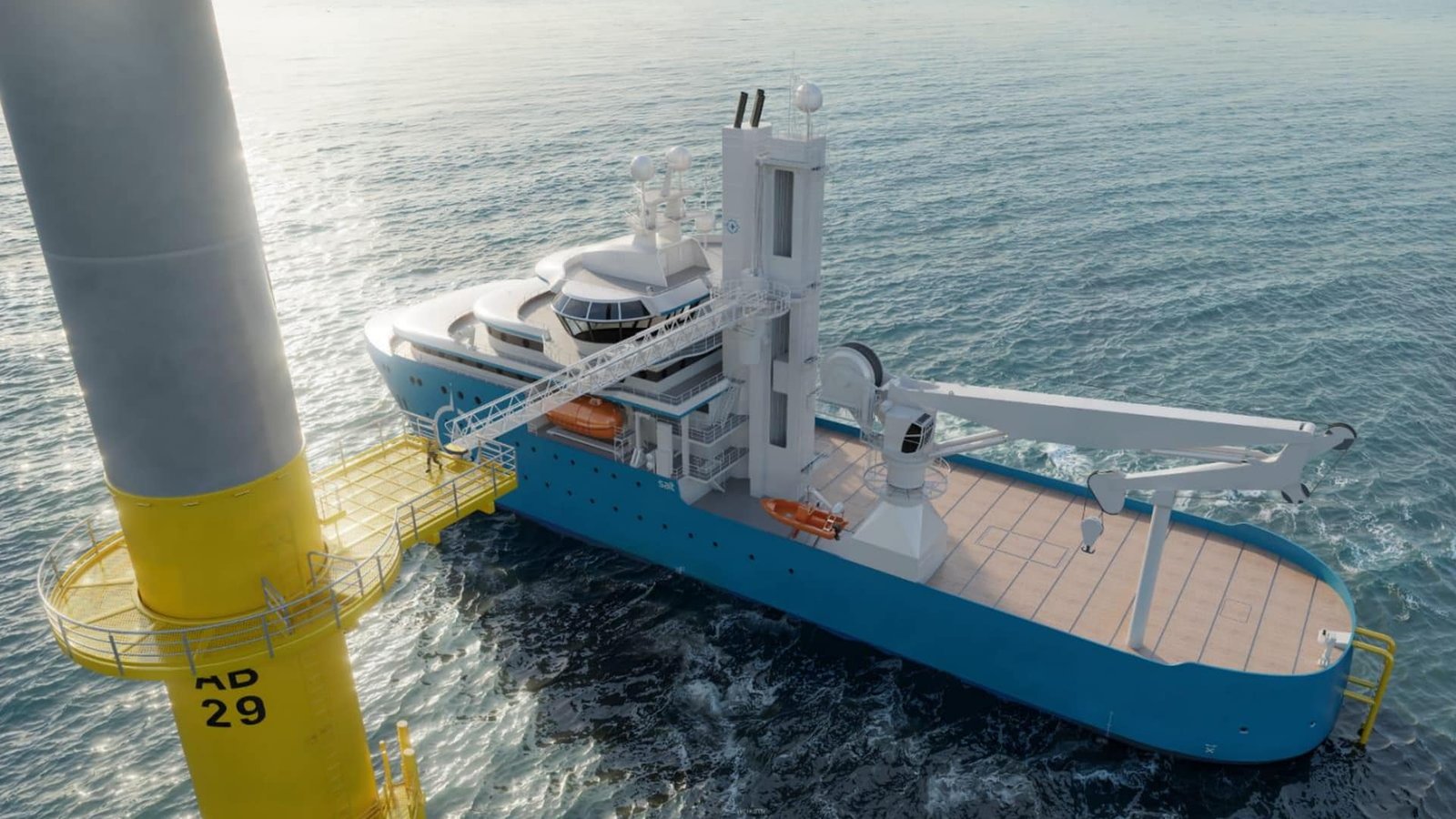
This is where the SOV vessel becomes indispensable. A Service Operation Vessel, or SOV vessel, is specifically designed to support offshore wind farms by transporting technicians, providing accommodation, and enabling safe maintenance operations at sea. These vessels are not simply transport ships; they are floating operational hubs that ensure wind turbines remain functional and efficient.
This article explores why next-generation SOV vessels have become essential to offshore wind projects. By examining their design, capabilities, and evolving role, we gain a deeper understanding of how they support the future of renewable energy.
Understanding the Role of an SOV Vessel
An SOV vessel is built to support the ongoing operation and maintenance of offshore wind farms. Unlike traditional support vessels, it is designed for long-term deployment, often remaining at sea for extended periods.
The primary role of an SOV vessel is to transport technicians safely to wind turbines and provide a stable platform for maintenance activities. This includes everything from routine inspections to complex repairs. Because offshore wind farms operate continuously, the ability to perform maintenance efficiently is critical.
Beyond transportation, an SOV vessel also serves as a living and working environment for crews. It provides accommodation, workspace, and essential services, allowing technicians to stay close to the wind farm and reduce travel time.
This combination of mobility, functionality, and comfort makes the SOV vessel a cornerstone of offshore wind operations.
The Growing Complexity of Offshore Wind Projects
Offshore wind projects are becoming larger and more complex. Turbines are being installed in deeper waters and at greater distances from shore. While this increases energy output, it also introduces logistical challenges.
Accessing turbines in remote locations requires vessels that can operate reliably in varying sea conditions. Weather windows can be limited, making it essential to maximize operational time.
The SOV vessel addresses these challenges by enabling continuous presence at the wind farm. Instead of relying on daily trips from shore, crews can remain offshore, ready to respond quickly to maintenance needs.
As projects grow in scale, the importance of efficient logistics becomes even more critical. This is one of the key reasons why next-generation SOV vessels are in high demand.
Advanced Design Features of Next-Gen SOV Vessels
Modern SOV vessel design reflects the unique demands of offshore wind operations. These vessels are engineered to provide stability, safety, and efficiency in challenging environments.
One of the most important features is motion compensation. Offshore conditions can be unpredictable, and transferring personnel from a vessel to a turbine requires precise control. Motion-compensated gangways allow technicians to move safely between the vessel and the structure, even in rough seas.
Dynamic positioning systems are another critical component. These systems enable the SOV vessel to maintain its position relative to a turbine without the need for anchoring. This ensures safe and efficient operations.
The layout of an SOV vessel is also carefully designed. It includes accommodation for crew members, workshops for equipment maintenance, and storage for tools and spare parts. This integrated approach allows the vessel to function as a self-sufficient operational base.
Enhancing Safety in Offshore Operations
Safety is a top priority in offshore wind projects, and the SOV vessel plays a key role in maintaining high safety standards. Working at sea involves risks, including weather conditions, equipment handling, and personnel transfer.
Next-generation SOV vessels incorporate advanced safety systems to mitigate these risks. Motion-compensated gangways reduce the risk of accidents during transfers, while real-time monitoring systems provide data on environmental conditions and vessel performance.
Crew training and vessel design also contribute to safety. Ergonomic layouts, clear workflows, and reliable equipment help ensure that operations are carried out smoothly.
By prioritizing safety, the SOV vessel not only protects personnel but also supports the overall efficiency of offshore wind projects.
Efficiency and Operational Continuity
One of the main advantages of an SOV vessel is its ability to improve operational efficiency. Offshore wind farms require regular maintenance to ensure optimal performance. Delays can lead to reduced energy output and increased costs.
By staying close to the wind farm, an SOV vessel allows technicians to respond quickly to maintenance needs. This reduces downtime and ensures that turbines remain operational.
The vessel’s onboard facilities also contribute to efficiency. Workshops and storage areas enable technicians to carry out repairs without returning to shore. This minimizes interruptions and maximizes productivity.
In this way, the SOV vessel supports continuous operation, which is essential for the success of offshore wind projects.
Read Also: The Rise of Agentic AI: How Personalized Tech is Reshaping Student Research Workflows
Sustainability and Environmental Impact
As part of the renewable energy sector, offshore wind projects are closely linked to sustainability. The design and operation of SOV vessels are increasingly aligned with these goals.
Modern SOV vessels are being designed with energy efficiency in mind. Improved hull designs, optimized propulsion systems, and alternative energy solutions help reduce fuel consumption and emissions.
Environmental considerations also extend to operational practices. Minimizing noise and disturbance to marine life is an important aspect of vessel design and operation.
By integrating sustainable practices, the SOV vessel contributes to the broader goal of reducing environmental impact while supporting clean energy production.
The Human Element: Life Onboard an SOV Vessel
Working offshore requires a high level of dedication and resilience. The SOV vessel is designed to support the well-being of crew members who spend extended periods at sea.
Accommodation areas are designed to provide comfort and rest, which are essential for maintaining performance. Recreational spaces, dining facilities, and communication systems help create a balanced living environment.
The design of workspaces also reflects the needs of technicians. Efficient layouts and easy access to tools and equipment help streamline operations.
By focusing on the human experience, the SOV vessel ensures that crews can perform their tasks effectively while maintaining their well-being.
Technological Integration and Future Trends
Technology continues to shape the evolution of the SOV vessel. Digital systems, automation, and data analytics are enhancing performance and decision-making.
Real-time monitoring systems provide insights into vessel operations, environmental conditions, and equipment status. This information allows operators to make informed decisions and improve efficiency.
Automation is also playing a role in reducing manual workload and increasing precision. While human oversight remains essential, these technologies support safer and more efficient operations.
Looking ahead, the SOV vessel is likely to become even more advanced, with greater integration of digital tools and sustainable technologies. These developments will further strengthen its role in offshore wind projects.
Challenges Facing SOV Vessel Operations
Despite their advantages, SOV vessels face several challenges. Operating in offshore environments requires careful planning and coordination. Weather conditions, logistical constraints, and technical complexities all play a role.
Economic factors can also influence operations. The cost of building and maintaining an SOV vessel is significant, requiring careful management to ensure efficiency.
Regulatory requirements add another layer of complexity. Vessels must meet strict safety and environmental standards, which can impact design and operation.
Addressing these challenges requires ongoing innovation and collaboration within the maritime industry.
Frequently Asked Questions (FAQ)
What is an SOV vessel?
An SOV vessel, or Service Operation Vessel, is a specialized ship designed to support offshore wind farms by transporting technicians and enabling maintenance operations.
Why are SOV vessels important for offshore wind projects?
SOV vessels provide a stable platform for maintenance, reduce travel time, and ensure continuous operation of wind turbines.
How do SOV vessels transfer personnel to turbines?
SOV vessels use motion-compensated gangways that allow safe transfer of technicians even in rough sea conditions.
What makes next-generation SOV vessels different?
Next-generation SOV vessels include advanced technologies such as dynamic positioning, improved safety systems, and enhanced living conditions for crews.
Are SOV vessels environmentally friendly?
Modern SOV vessels are designed to reduce emissions and minimize environmental impact, aligning with the goals of renewable energy projects.
How long do crews stay on an SOV vessel?
Crew members can stay onboard for extended periods, depending on the project and operational requirements.
What is the future of SOV vessels?
The future of SOV vessels includes greater use of automation, digital systems, and sustainable technologies to improve efficiency and performance.
Conclusion
The SOV vessel has become a vital component of offshore wind projects, providing the support needed to maintain and optimize energy production. As wind farms expand further offshore, the importance of these vessels continues to grow.
Next-generation SOV vessels are redefining what is possible in offshore logistics. With advanced design features, improved safety systems, and a focus on sustainability, they enable efficient and reliable operations in challenging environments.
By combining engineering innovation with practical functionality, the SOV vessel supports the ongoing transition to renewable energy. It stands as a key enabler of offshore wind projects, ensuring that clean energy can be generated consistently and efficiently.
In many ways, the success of offshore wind depends not only on the turbines themselves but also on the vessels that keep them running. The SOV vessel represents this essential link, bridging the gap between engineering ambition and real-world performance.
