Custom pins have become a popular way to showcase identity, promote brands, and celebrate special moments. From corporate giveaways to personal collections, these small yet impactful accessories are versatile and memorable. If you’re considering designing your own custom pins, understanding the materials, styles, and pricing factors is essential to make the best choice.
What Are Custom Pins?
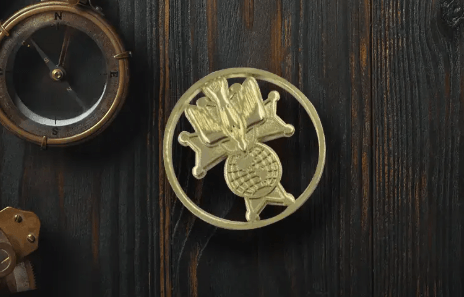
Custom pins are personalized lapel pins created to match a specific design, logo, or message. They can be used for marketing campaigns, events, school achievements, fandom merchandise, or even fashion statements. Their appeal lies in their ability to combine creativity with functionality, making them a timeless accessory.
Materials Used in Custom Pins
The material you choose plays a major role in the durability, appearance, and cost of your pins. Here are the most common options:
1. Metal
Metal is the most widely used base material for custom pins. Common metals include iron, brass, and zinc alloy.
- Iron: Affordable and durable, ideal for large orders.
- Brass: Offers a smoother finish and is great for high-end designs.
- Zinc Alloy: Perfect for complex shapes and 3D designs.
Metal pins are typically plated with gold, silver, black nickel, or antique finishes to enhance their look.
2. Enamel
Enamel is used to fill the design areas with color. There are two main types:
- Soft Enamel: Features raised metal edges with recessed color areas. It provides a textured feel and is budget-friendly.
- Hard Enamel: Polished to a smooth, flat surface for a premium and professional finish.
3. Acrylic
Acrylic pins are lightweight and cost-effective. They are printed with vibrant designs and sealed with a protective coating. These are popular for casual or artistic uses.
4. Wood
Wooden pins offer a natural and eco-friendly alternative. They are laser-cut and engraved, giving them a unique rustic appearance.
Popular Styles of Custom Pins
Choosing the right style is just as important as selecting the material. Different styles serve different purposes and aesthetics.
1. Lapel Pins
These are the most common type, worn on clothing such as jackets, suits, or bags. They are widely used for branding and recognition.
2. Die-Struck Pins
Made without enamel, these pins rely on metal stamping for their design. They offer a classic and elegant look, often used for official or corporate purposes.
3. Printed Pins
Instead of enamel, these pins use printing techniques to display detailed images or gradients. They are ideal for complex artwork.
4. 3D Molded Pins
These pins feature raised and sculpted designs, giving them depth and a premium feel. They are perfect for logos or intricate shapes.
5. Glow-in-the-Dark Pins
A fun and creative option, these pins include special pigments that glow in low light conditions.
6. Spinner and Slider Pins
Interactive pins that include moving parts. These are engaging and often used for promotional campaigns or collectibles.
Pricing Factors Explained
The cost of custom pins varies depending on several factors. Understanding these will help you stay within budget while achieving your desired quality.
1. Quantity
Bulk orders significantly reduce the cost per pin. Ordering 100 pins will be more expensive per piece than ordering 1,000.
2. Size
Larger pins require more material and detail, which increases the cost. Standard sizes range from 1 inch to 2 inches.
3. Material and Finish
Premium materials like brass or hard enamel cost more than iron or soft enamel. Special finishes such as antique plating or dual-tone plating can also add to the price.
4. Design Complexity
Intricate designs with multiple colors, fine details, or special features (like glitter or glow effects) will increase production costs.
5. Mold Fees
Most manufacturers charge a one-time mold or setup fee. This cost may be waived or reduced for larger orders.
6. Add-Ons
Extras such as custom backings, packaging, or special effects (e.g., glitter, epoxy coating) can raise the overall price.
See also: Can My Business Remain Open During the Renovation?
Tips for Designing Custom Pins
To get the best results, keep these design tips in mind:
- Keep it simple: Avoid overly complex designs that may lose clarity in small sizes.
- Use bold colors: Bright and contrasting colors make your pin stand out.
- Choose the right size: Ensure your design fits well within the chosen dimensions.
- Consider your audience: Tailor your design to the preferences of your target group.
Why Invest in Custom Pins?
Custom pins are more than just accessories—they are powerful tools for communication and branding. Businesses use them to build brand recognition, while individuals use them to express personality and creativity. They are affordable, collectible, and highly customizable, making them suitable for almost any purpose.
Final Thoughts
Designing custom pins involves thoughtful decisions about materials, styles, and pricing. By understanding these elements, you can create pins that not only look great but also serve your intended purpose effectively. Whether you’re promoting a brand, celebrating an event, or simply expressing your creativity, custom pins are a stylish and impactful choice.
With the right approach, your custom pins can leave a lasting impression—small in size but big in impact.