Cooler water temperatures can quickly lower your body heat, making snorkelling or diving uncomfortable—and potentially unsafe—without the right gear. Whether you’re planning a day on the reef or a deeper dive below the surface, wearing the appropriate thermal protection helps maintain body temperature and lets you enjoy your underwater experience longer.
Understanding Water Temperature Ranges
Even in temperate regions, water can draw heat from your body much faster than air. Water below 24°C is considered cool for most people, and anything under 18°C often requires thermal protection. Prolonged exposure without proper gear in these conditions can lead to fatigue, cramping, or hypothermia, especially during dives or extended snorkelling sessions.
Layering for Thermal Protection
Layering is key when preparing for cooler water. Unlike a single thick wetsuit, layering allows you to adjust your protection based on conditions. Start with a thermal base like a Chillproof or fleece-lined top, and build up with wetsuit layers if needed. Layered systems also allow for easier movement and better comfort both in and out of the water.
See also: The Growing Influence of Voice Assistants in Everyday Life
Essential Gear for Snorkelling in Cooler Water
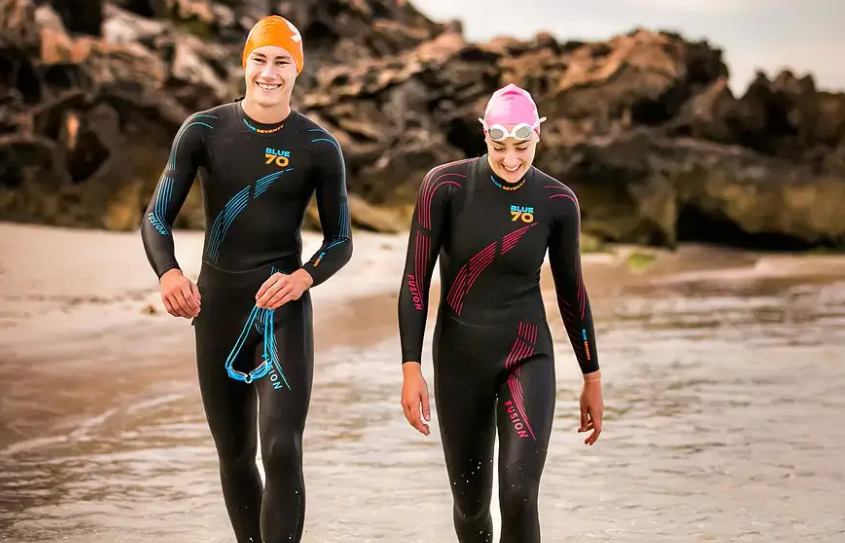
For snorkelling, especially when you’re at the surface for long periods, it’s important to protect your core and limbs from wind and water chill. A thermal top or vest adds warmth without bulk, and short wetsuits or steamer suits provide full-body coverage while allowing flexibility. Adding gloves, neoprene booties, or a light hood can significantly reduce heat loss from extremities if you’re prone to getting cold.
Essential Gear for Diving in Cooler Water
Diving in cooler water usually demands more comprehensive protection due to increased depth and longer durations. A full-length wetsuit—typically 5mm or thicker—is standard for many divers in cooler climates. For additional warmth, divers often layer thermal garments beneath their wetsuits or opt for fleece-lined underlayers that add insulation without restricting movement. Neoprene gloves and dive socks help prevent heat loss from hands and feet. You can explore a wide range of appropriate snorkeling gear designed for these colder conditions to find the right combination for your needs.
When to Use a Drysuit Instead
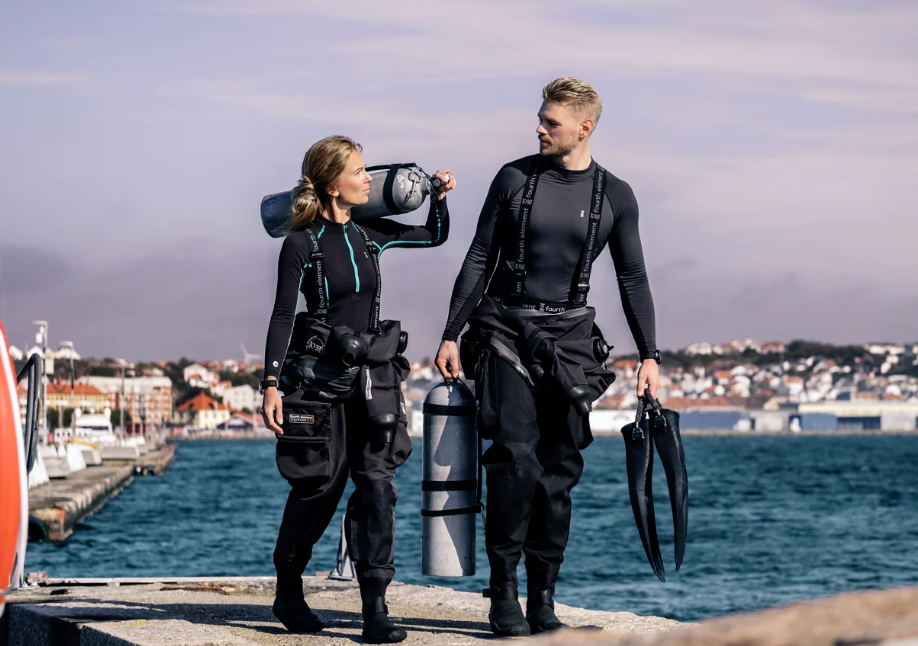
In very cold water or when spending extended periods submerged, a drysuit may be a better choice. Drysuits create a watertight seal that allows you to wear insulating layers underneath while staying dry. They’re ideal for diving in temperatures below 10–12°C, although they do require more training and maintenance than wetsuits. For snorkelling, drysuits are less common but may be suitable for specific cold-water locations.
Other Considerations
Fit and flexibility are important when choosing gear. Snorkelling requires more upper body movement at the surface, while diving gear must accommodate depth pressure and layering. Look for garments that provide UV protection as well, especially if you’re exposed to sun between sessions. Consider how long you plan to be in the water and whether you’ll need to account for wind chill when exiting.
Next Steps
Wearing the right gear for snorkelling or diving in cooler water isn’t just about comfort—it’s about safety and performance. A proper thermal setup can extend your time in the water, improve your experience, and keep you focused on the adventure instead of the cold. Whether you choose a wetsuit, thermal layers, or a full drysuit setup, dressing smart will help you make the most of your next underwater outing.