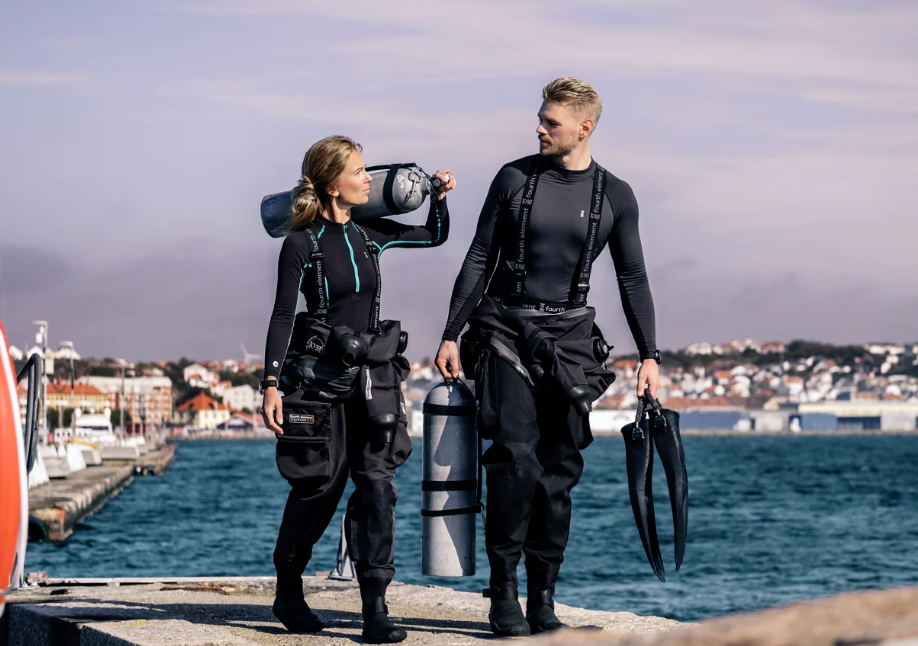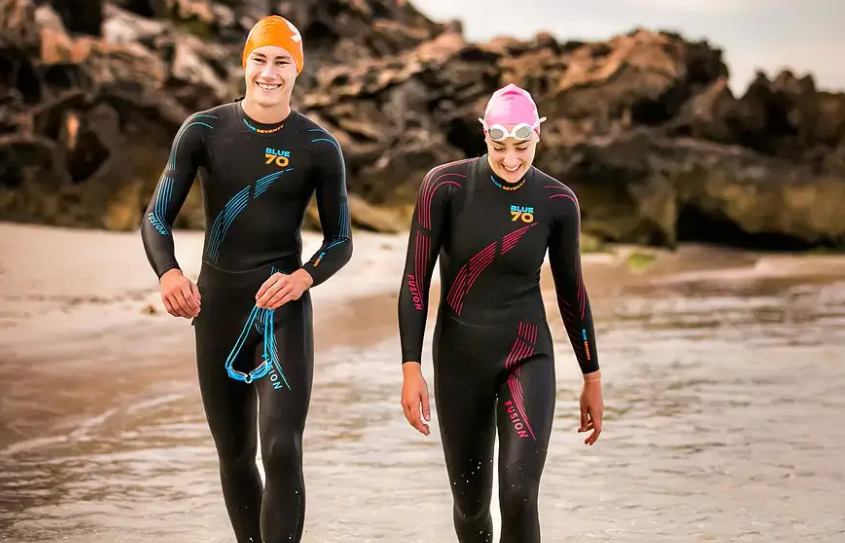
Wetsuit pants are a versatile piece of gear for water lovers who want lower-body warmth without the full coverage of a steamer. While they’re typically associated with diving, snorkelling, and paddle sports, wetsuit pants are becoming more popular among swimmers in open water or cooler conditions. But are they really suitable for swimming?
What Are Wetsuit Pants?
Wetsuit pants are made from insulating materials like neoprene or advanced thermal fabrics. They’re designed to protect your legs from cold water, wind, and abrasion while allowing for flexibility and movement. Unlike full wetsuits, they leave the upper body uncovered, which can be beneficial for activities where upper-body mobility is key.
Benefits of Wearing Wetsuit Pants While Swimming
Swimming in cooler water can be uncomfortable or even risky without proper insulation. Wetsuit pants help retain body heat, especially in the thighs and calves, which are large muscle groups that lose warmth quickly. They’re also less restrictive than full wetsuits, making them a practical choice for swimmers who prioritise leg warmth but want freedom in their arms and shoulders. Many find them easier to wear and more comfortable for shorter swim sessions or mild temperatures.
When Are Wetsuit Pants a Good Option for Swimmers?
Wetsuit pants are ideal for swimmers in open water where conditions vary. They provide insulation during training swims or when preparing for triathlons. If you’re swimming in cooler lakes or coastal areas where the water temperature is not quite cold enough for a full wetsuit, they strike a comfortable balance. Many swimmers also pair them with thermal tops or rash vests for added core warmth. You can explore a range of suitable wetsuit pants designed for movement and warmth.
See also: The Growing Influence of Voice Assistants in Everyday Life
Potential Limitations to Consider
While wetsuit pants offer a number of benefits, they do have limitations. Because they don’t cover the torso, they won’t provide as much overall thermal protection as a full wetsuit. In very cold water, this can be a drawback. They also don’t help much with buoyancy for the upper body, which could affect swim position. Finding the right fit is crucial, as loose or too-tight pants can cause discomfort or flushing of cold water through the seams.
Choosing the Right Wetsuit Pants for Swimming
Look for wetsuit pants with a thickness that matches your swimming conditions—typically 1.5mm to 3mm is ideal for swimming. Consider features like drawstring waistbands, flatlock stitching, and tapered legs for reduced water entry. Fit is everything, so ensure they’re snug but not restrictive. Women’s and men’s cuts differ slightly in shape and rise, so choosing the right design will improve comfort and performance in the water.
Parting Words
Wetsuit pants are a practical choice for many swimmers, especially those who train in mild to moderately cold water or want more flexibility than a full wetsuit allows. They’re great for short sessions, transitional seasons, or pairing with other thermal tops. While they won’t suit every scenario, they’re a solid option if you want targeted warmth with minimal restriction.