Trailer wall panels play a key role in protecting cargo, maintaining structural strength, and supporting insulation where required. Because trailers are exposed to vibration, weather, and loading impacts, panels can deteriorate over time. Regular inspection helps identify early signs of damage and prevents more serious structural or cargo issues.
Visible Signs of Wear and Damage
One of the most obvious indicators is visible damage to the panel surface. Cracks, dents, punctures, or deep scratches can weaken the panel and allow moisture or debris to enter. Metal panels may show corrosion or rust, while composite or fibreglass panels can warp, bubble, or delaminate. Any change in shape or surface condition should be treated as a warning sign.
Water Leaks and Moisture Issues
Water ingress is a strong indicator that wall panels or their seals are failing. Damp patches inside the trailer, mould growth, or water stains often point to compromised joints or damaged panels. Over time, trapped moisture can weaken internal framing and insulation. If leaks persist, replacing damaged trailer wall panels is often the most effective way to restore protection and prevent further deterioration.
See also: Can My Business Remain Open During the Renovation?
Structural Integrity and Cargo Protection
Wall panels contribute to the overall rigidity of the trailer. If panels begin pulling away from the frame, flex excessively, or rattle during transit, this suggests the structure is no longer sound. Weakened panels increase the risk of cargo shifting, damage during transport, and reduced safety on the road.
Impact on Insulation and Climate Control
For refrigerated or insulated trailers, damaged wall panels can significantly reduce thermal performance. Cracks or gaps allow heat transfer, making it harder to maintain internal temperatures. This can increase fuel or energy consumption and compromise temperature-sensitive loads, indicating replacement may be necessary.
Age and Routine Maintenance Checks
Even without obvious damage, age alone can justify replacement. Panels exposed to years of use may lose strength or sealing effectiveness. Including wall panels in routine maintenance inspections helps identify wear early and plan replacements before failure occurs.
Repair vs Replacement – How to Decide
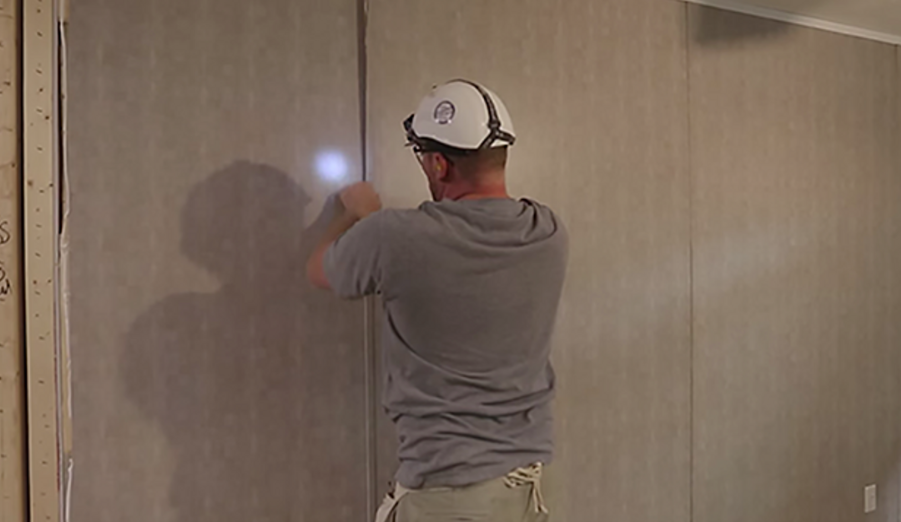
Minor surface damage can sometimes be repaired with patches or sealants. However, widespread corrosion, repeated leaks, delamination, or structural weakness usually make full replacement the safer and more cost-effective option. Replacing panels restores strength, appearance, and protection in one solution.
Key Takeaways
Knowing when trailer wall panels need replacement comes down to regular inspection and attention to early warning signs. Visible damage, moisture ingress, reduced structural integrity, and insulation issues should never be ignored. Timely replacement helps protect cargo, maintain safety, and extend the working life of the trailer.