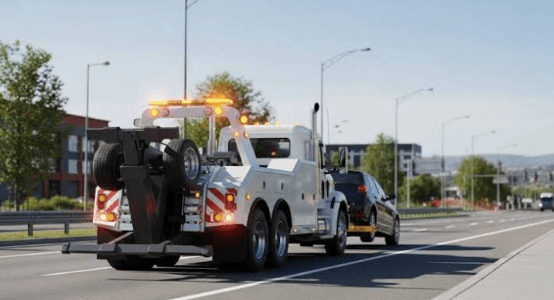
A reliable towing vehicle is the backbone of any roadside assistance or recovery business, which is why Tow Truck Service & Maintenance should always be a top priority. Regular maintenance not only extends the life of your truck but also helps prevent unexpected breakdowns, improves safety, and reduces costly repairs. Whether you operate a single tow truck or manage an entire fleet, following a consistent maintenance schedule can save both time and money.
If you’re looking for professional Tow Truck Service & Maintenance, choosing experienced technicians can help identify potential issues before they become major problems. Routine inspections and preventive servicing ensure your tow truck is always ready for the next job, no matter the conditions.
1. Perform Routine Engine Inspections
The engine is the heart of every tow truck, and keeping it in excellent condition should be your first priority. Heavy towing puts extra stress on engine components, making regular inspections essential.
Routine engine maintenance should include:
- Checking engine oil levels
- Replacing oil and filters as recommended
- Inspecting belts and hoses
- Monitoring coolant levels
- Looking for fluid leaks
Early detection of small problems can prevent expensive engine repairs later.
2. Inspect the Hydraulic System
Most tow trucks rely on hydraulic systems to operate booms, wheel lifts, and recovery equipment. Even a minor hydraulic issue can affect lifting performance and job safety.
Regular maintenance should include:
- Checking hydraulic fluid levels
- Inspecting hoses for cracks or leaks
- Examining hydraulic cylinders
- Testing lift operation
- Replacing worn seals when necessary
Keeping the hydraulic system in top condition ensures smooth and reliable operation.
3. Monitor Tire Condition
Tow trucks carry heavy loads, making tire maintenance especially important.
Inspect your tires regularly for:
- Uneven tread wear
- Low tire pressure
- Sidewall damage
- Cuts or punctures
- Proper wheel alignment
Properly maintained tires improve handling, fuel efficiency, and overall road safety while reducing the risk of unexpected blowouts.
4. Test the Braking System
Because tow trucks often transport heavy vehicles, their braking systems work harder than those of standard trucks.
Brake inspections should include:
- Brake pad thickness
- Brake rotor condition
- Brake fluid levels
- Air brake components if applicable
- Emergency brake functionality
A dependable braking system protects both the driver and the vehicles being transported.
5. Keep Winches and Cables in Good Condition
Winches are one of the most important components of any tow truck. Damaged cables or worn equipment can create serious safety risks during vehicle recovery.
Inspect regularly for:
- Frayed steel cables
- Synthetic rope wear
- Hook damage
- Cable tension
- Winch motor performance
- Proper lubrication of moving parts
Replacing worn recovery equipment before failure helps avoid accidents and expensive downtime.
6. Maintain the Electrical System
Tow trucks depend on reliable electrical systems to operate lighting, warning equipment, and recovery controls.
Routine electrical maintenance should include:
- Battery testing
- Alternator inspection
- Checking wiring connections
- Testing warning lights
- Inspecting beacon lights
- Verifying backup camera functionality
Keeping the electrical system working properly improves safety during roadside operations, especially at night.
7. Follow a Preventive Maintenance Schedule
Waiting until something breaks often leads to more expensive repairs and longer downtime. Preventive maintenance helps identify worn components before they fail.
A regular maintenance schedule typically includes:
- Oil changes
- Transmission service
- Differential inspections
- Cooling system maintenance
- Suspension inspections
- Steering system checks
Maintaining detailed service records also helps track recurring issues and supports better fleet management.
See also: How tech keeps airports, borders, and events safe and secure
8. Clean and Inspect Your Tow Truck Regularly
A clean truck is easier to inspect and maintain. Dirt, mud, and road salt can hide damage or contribute to corrosion over time.
Regular cleaning allows you to spot:
- Rust formation
- Frame damage
- Loose bolts
- Fluid leaks
- Body damage
- Worn safety decals
Keeping your truck clean also creates a more professional appearance for customers and reflects positively on your business.
Why Regular Tow Truck Maintenance Matters
Routine maintenance offers several long-term benefits for towing businesses, including:
- Reduced repair costs
- Improved vehicle reliability
- Better fuel efficiency
- Increased driver safety
- Longer equipment lifespan
- Less unexpected downtime
- Higher resale value
These advantages help businesses operate more efficiently while delivering dependable service to customers.
Final Thoughts
Consistent Tow Truck Service & Maintenance is essential for keeping recovery vehicles safe, reliable, and ready for demanding jobs. From engine care and hydraulic inspections to brake servicing and winch maintenance, every part of your tow truck plays a role in overall performance. By investing in preventive maintenance and addressing small issues early, towing businesses can reduce operating costs, improve safety, and maximize the lifespan of their equipment.
Whether you’re an independent operator or manage a growing fleet, making maintenance a regular part of your operations ensures your tow trucks remain dependable whenever customers need assistance most.
