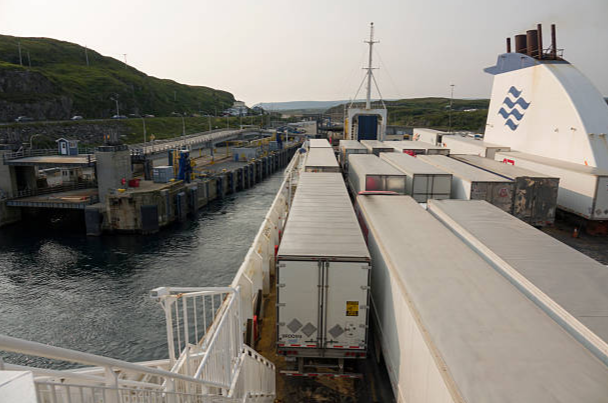
The maritime industry operates in one of the most demanding environments in the world. Whether it is a commercial cargo vessel crossing oceans, a luxury yacht cruising coastal waters, or a fishing boat working offshore, every vessel relies on efficient engine performance to operate safely and effectively. One critical yet often overlooked component that contributes significantly to vessel performance is the marine exhaust system.
Marine exhaust systems play a vital role in directing engine emissions away from the vessel, reducing noise levels, improving operational efficiency, and ensuring compliance with increasingly strict environmental regulations. As maritime operations continue to evolve, modern exhaust solutions have become essential for vessel owners seeking reliability, sustainability, and long-term cost savings.
This article explores the importance of marine exhaust systems, their key components, benefits, industry trends, and practical considerations for selecting the right system for different marine applications.
Understanding Marine Exhaust Systems
A marine exhaust system is designed to safely remove combustion gases produced by a vessel’s engine. Unlike automotive exhaust systems, marine exhaust systems must function effectively in challenging conditions that include saltwater exposure, varying temperatures, vibration, and limited installation space.
The primary function of marine exhaust systems is to transport harmful gases such as carbon monoxide, nitrogen oxides, carbon dioxide, and unburned hydrocarbons away from occupied areas of the vessel. In addition, these systems help manage engine temperatures, reduce noise pollution, and support optimal engine performance.
Marine exhaust systems are used across a wide range of vessels, including:
- Commercial cargo ships
- Passenger ferries
- Fishing vessels
- Offshore support vessels
- Naval ships
- Recreational boats and yachts
- Workboats and tugboats
Each application requires a tailored exhaust solution based on engine size, vessel design, operational demands, and regulatory requirements.
See also: How tech keeps airports, borders, and events safe and secure
Key Components of Marine Exhaust Systems
Understanding the major components of marine exhaust systems helps vessel owners and operators appreciate their importance in maintaining efficient operations.
Exhaust Manifold
The exhaust manifold collects gases from the engine cylinders and channels them into the exhaust piping system. It serves as the starting point for the entire exhaust process and must withstand high temperatures and pressure fluctuations.
Exhaust Piping
Exhaust pipes transport gases from the engine to the discharge outlet. These pipes are typically manufactured from corrosion-resistant materials such as stainless steel or specialized marine-grade alloys to ensure durability in harsh marine environments.
Mufflers and Silencers
Noise reduction is a critical consideration aboard vessels. Mufflers and silencers reduce engine noise while maintaining efficient gas flow. Modern marine exhaust systems often incorporate advanced acoustic technologies to meet stringent noise standards.
Water Injection Systems
Many marine exhaust systems use water injection to cool exhaust gases before discharge. This process helps protect surrounding components, reduces surface temperatures, and minimizes thermal stress on the system.
Flexible Connectors
Marine engines generate significant vibration during operation. Flexible connectors absorb movement and reduce stress on exhaust piping, helping prevent cracks and structural damage.
Exhaust Outlets
The outlet is the final point where exhaust gases are discharged from the vessel. Proper placement ensures gases are safely dispersed away from passengers, crew, and sensitive onboard equipment.
Why Marine Exhaust Systems Matter
Marine exhaust systems influence several critical aspects of vessel operation. Their importance extends beyond simple gas removal.
Engine Performance Optimization
Efficient marine exhaust systems improve engine breathing by minimizing back pressure. Reduced back pressure allows engines to expel exhaust gases more effectively, enhancing combustion efficiency and overall performance.
When exhaust gases flow freely, engines can operate closer to their designed specifications, resulting in improved power output and fuel efficiency.
Crew and Passenger Safety
Exhaust gases contain harmful substances that pose significant health risks if allowed to accumulate onboard. Properly designed marine exhaust systems ensure these gases are safely vented away from occupied areas.
For passenger vessels, ferries, and recreational boats, maintaining safe air quality is essential for protecting everyone onboard.
Regulatory Compliance
International maritime regulations continue to become more stringent regarding vessel emissions. Marine exhaust systems help operators comply with standards established by organizations such as the International Maritime Organization (IMO).
Failure to meet emissions requirements can result in penalties, operational restrictions, and reputational damage. Investing in modern marine exhaust systems supports regulatory compliance and future-proofs vessel operations.
Environmental Protection
The maritime industry is under increasing pressure to reduce its environmental impact. Advanced marine exhaust systems contribute to cleaner operations by reducing emissions and supporting technologies such as exhaust gas cleaning systems.
These solutions help vessel operators align with sustainability initiatives while maintaining operational efficiency.
Types of Marine Exhaust Systems
Different vessel applications require different exhaust system configurations. Understanding available options helps operators select the most suitable solution.
Wet Exhaust Systems
Wet exhaust systems inject water into the exhaust stream to cool gases before discharge. These systems are commonly found on recreational boats and smaller commercial vessels.
Benefits include:
- Lower exhaust temperatures
- Reduced noise levels
- Compact installation requirements
- Improved safety for onboard personnel
Dry Exhaust Systems
Dry marine exhaust systems do not use water for cooling. Instead, they rely on insulation and specialized materials to manage heat.
These systems are frequently used on larger commercial vessels and industrial marine applications where higher exhaust temperatures are expected.
Advantages include:
- Greater durability
- Simpler maintenance
- Enhanced performance for high-powered engines
- Improved suitability for heavy-duty operations
Hybrid Exhaust Systems
Hybrid marine exhaust systems combine features of both wet and dry configurations. They offer flexibility and can be customized to meet specific vessel requirements.
As vessel designs become more sophisticated, hybrid systems are increasingly popular for balancing efficiency, safety, and operational performance.
Benefits of Modern Marine Exhaust Systems
Technological advancements have transformed marine exhaust systems into highly engineered solutions that provide numerous operational benefits.
Improved Fuel Efficiency
Fuel costs represent a significant portion of vessel operating expenses. Modern marine exhaust systems optimize airflow and reduce engine strain, helping lower fuel consumption.
Even modest efficiency gains can result in substantial savings over the lifespan of a vessel.
Reduced Maintenance Costs
High-quality marine exhaust systems are designed to resist corrosion, vibration, and thermal stress. Durable materials and advanced engineering reduce component failures and maintenance requirements.
This translates into lower repair costs and less downtime.
Enhanced Vessel Reliability
Reliability is crucial in marine operations where equipment failures can have serious consequences. Properly maintained marine exhaust systems support dependable engine performance and reduce the likelihood of unexpected breakdowns.
Noise Reduction
Noise pollution affects crew comfort, passenger experience, and environmental impact. Advanced muffler designs and sound attenuation technologies significantly reduce engine noise.
This is especially valuable for passenger vessels, luxury yachts, and research vessels operating in sensitive marine environments.
Increased Equipment Lifespan
Effective exhaust management helps control operating temperatures and reduce stress on engine components. As a result, engines and associated equipment often experience longer service lives.
Practical Applications Across the Maritime Industry
Marine exhaust systems serve a wide variety of operational environments.
Commercial Shipping
Cargo vessels operate continuously under demanding conditions. Efficient marine exhaust systems support fuel economy, emissions compliance, and engine reliability during long voyages.
For shipping companies, these benefits directly impact profitability and operational efficiency.
Passenger Ferries
Passenger comfort and safety are top priorities for ferry operators. Marine exhaust systems help maintain clean air quality while reducing noise and vibration levels.
Modern systems also support compliance with environmental regulations in busy coastal regions.
Fishing Fleets
Fishing vessels often spend extended periods at sea. Durable marine exhaust systems contribute to dependable engine performance and reduced maintenance requirements, helping operators maximize productive fishing time.
Luxury Yachts
Yacht owners expect quiet, efficient, and environmentally responsible operation. Premium marine exhaust systems provide superior noise reduction and enhanced performance while preserving onboard comfort.
Offshore Operations
Offshore support vessels and workboats frequently operate under heavy loads. Robust marine exhaust systems are essential for managing high engine output and maintaining reliability in demanding environments.
Emerging Trends in Marine Exhaust Systems
The future of marine exhaust systems is being shaped by innovation, sustainability, and regulatory developments.
Emissions Reduction Technologies
Exhaust gas cleaning systems, commonly known as scrubbers, are becoming increasingly common. These technologies help reduce sulfur oxide emissions and support compliance with global environmental standards.
Advanced Materials
Manufacturers are investing in lightweight, corrosion-resistant materials that improve durability while reducing overall vessel weight.
These materials contribute to enhanced performance and lower lifecycle costs.
Smart Monitoring Systems
Digital monitoring technologies are transforming marine exhaust systems. Sensors can continuously track temperature, pressure, and emissions levels, providing real-time performance insights.
Predictive maintenance capabilities help operators identify potential issues before they lead to costly failures.
Integration with Alternative Fuels
As the maritime industry explores cleaner energy sources such as liquefied natural gas, methanol, hydrogen, and biofuels, marine exhaust systems are evolving to support new propulsion technologies.
This adaptability will play a key role in the industry’s transition toward lower-carbon operations.
Selecting the Right Marine Exhaust System
Choosing the appropriate marine exhaust system requires careful evaluation of several factors.
Vessel Type
Different vessel categories have unique operational requirements. The exhaust solution should be matched to the vessel’s intended use and performance expectations.
Engine Specifications
Engine size, horsepower, fuel type, and operating conditions influence exhaust system design. Proper sizing is essential for achieving optimal performance.
Regulatory Requirements
Operators should consider current and anticipated environmental regulations when selecting marine exhaust systems. Investing in compliant technology helps avoid future retrofit expenses.
Material Quality
Marine environments are highly corrosive. Selecting systems manufactured from premium materials improves durability and long-term reliability.
Maintenance Considerations
Accessible designs simplify inspections, servicing, and repairs. Ease of maintenance can significantly reduce lifecycle costs.
Best Practices for Maintenance
Even the most advanced marine exhaust systems require regular maintenance to perform effectively.
Recommended practices include:
- Conduct routine visual inspections
- Check for corrosion and wear
- Inspect flexible connectors for damage
- Monitor exhaust temperatures
- Verify proper water flow in wet exhaust systems
- Clean components according to manufacturer guidelines
- Replace worn parts promptly
A proactive maintenance program helps maximize performance, extend service life, and minimize unexpected downtime.
Conclusion
Marine exhaust systems are fundamental to the safe, efficient, and environmentally responsible operation of modern vessels. From improving engine performance and fuel efficiency to ensuring regulatory compliance and enhancing onboard safety, these systems deliver substantial value across every segment of the maritime industry.
As environmental standards continue to evolve and vessel technology advances, the importance of investing in high-quality marine exhaust systems will only increase. Vessel owners, operators, and marine engineers who prioritize effective exhaust management can benefit from improved reliability, reduced operating costs, enhanced sustainability, and stronger long-term performance. For expert guidance and tailored solutions for your vessel’s exhaust requirements, contact us.
