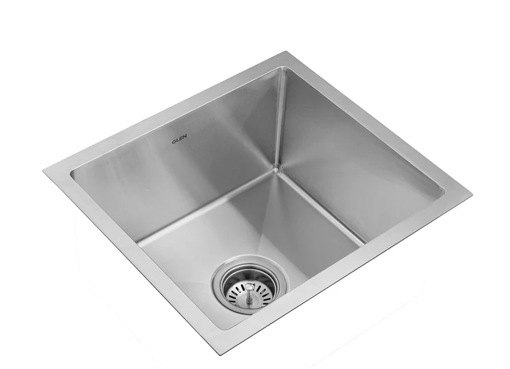
Kitchens experience intensive daily utilisation. Individuals wash utensils, rinse produce, soak cookware, and perform various wet operations continuously. When an ageing kitchen sink begins to exhibit signs of deterioration, minor difficulties accumulate rapidly. Drainage becomes sluggish. Surfaces acquire persistent marks. Unpleasant odours persist for extended periods. These conditions render routine activities more demanding. Numerous households observe this deterioration during periods of heightened activity, such as meal preparation or following social gatherings. The area loses operational efficiency. This article examines prevalent difficulties associated with an older kitchen sink. It details the underlying causes and identifies indicators that suggest the requirement for a superior alternative. Awareness of these factors assists in preventing more significant inconveniences.
Frequent Operational Difficulties Arising from an Outdated Sink
Kitchens operate according to strict schedules. Morning preparations, midday meal assembly, and evening cooking necessitate prompt cleaning. A deteriorated kitchen sink reduces this efficiency. Drainage obstructions occur with greater frequency. Work surfaces remain damp due to splashing. Tasks require additional time.
Consider a standard evening meal preparation. Food remnants enter the drain, yet flow ceases midway. Intervention through plunging or delay becomes necessary. Fats from cooking solidify within pipes. Particles accumulate and expand. The basin fills while awaiting the next rinsing action. In residences with several individuals engaged in food preparation, these delays generate considerable inconvenience. Activities that should conclude swiftly extend significantly. The environment becomes less conducive to efficient operation.
Causes of Accelerated Sink Deterioration
Continuous exposure degrades materials. Elevated temperatures, acidic substances, potent cleaning agents, and repeated abrasion cause progressive damage. Economical models frequently employ reduced thickness or standard protective layers. They sustain dents from impacts. Scratches become more pronounced. Corrosion develops in humid conditions.
Proper installation remains essential. Weakened seals or misaligned connections permit minor leakage. Hard water deposits form resistant deposits. Over extended periods, these result in evident impairment. The kitchen sink becomes increasingly difficult to maintain in functional condition. A minor drip may eventually cause cabinet swelling or fungal growth in concealed areas.
Drainage Obstructions That Impair Functionality
Obstructions constitute one of the primary complaints. Inadequate strainers allow rice grains, pasta fragments, or vegetable peels to pass through. Oils solidify within conduits. Coffee grounds compact densely. Fibres from cleaning implements entangle components.
Common origins include:
- Fats introduced following frying processes.
- Starchy substances that increase in volume upon contact with moisture.
- Fine particles that settle and impede passage.
- Residue combining with debris to form viscous material.
Resolution requires mechanical or chemical intervention. Recurrent occurrences risk conduit deterioration. Overflow affects adjacent surfaces, creating hazardous conditions and facilitating microbial spread. In active households, this sequence recurs several times weekly.
Superior configurations incorporate deeper basins and broader outlets. Protective grids intercept waste promptly. Liquid movement proceeds without interruption, reducing maintenance duration.
Concealed Leakage and Consequent Structural Damage
Leakage frequently commences imperceptibly. Gradual dripping beneath cabinets escapes detection initially. Moisture penetrates timber components. Cabinets expand. Protective coatings detach. Microbial growth develops in concealed locations.
Recurrent sources:
- Faucet connections with degraded seals.
- Supply conduits loosened by vibration.
- Corrosion surrounding drainage fittings.
- Structural settlement disrupting joint integrity.
In older residences, propagation occurs more rapidly. Wall coverings discolour. Flooring distorts. Remediation necessitates removal of affected materials. Expenditure escalates substantially. A robust kitchen sink equipped with secure seals prevents liquid intrusion into concealed areas.
Difficulties in Maintenance and Hygiene Preservation
A properly maintained sink should permit straightforward cleaning. Many existing models retain contaminants. Textured surfaces capture residue. Substances such as tea, spices, or sauces leave indelible marks. Odours accumulate from retained particles.
Routine maintenance becomes laborious. Abrasive implements accelerate surface degradation. Potent agents diminish protective coatings. Microorganisms establish in joints and abrasions. Households with young children exercise heightened vigilance to minimise exposure.
Frequent observations:
- Discolouration from mineral accumulation.
- Dark deposits along boundaries.
- Persistent odours following preparation of certain foods.
- Abrasions retaining cleaning residues.
Materials with refined surfaces resist staining. Cleaning requires minimal effort. Reduced maintenance sustains appropriate hygiene standards.
Limitations in Ergonomics and Practical Utility
Dimensions and configuration influence operational comfort. Lower basins necessitate bending. Taller individuals experience strain. Shallow receptacles project liquid outward. Handling oversized items proves cumbersome.
In environments where substantial cookware sees frequent application, capacity constraints become evident. Utensils accumulate irregularly. Drying areas prove insufficient. The workspace appears confined during preparation.
Considerate configurations provide increased depth and appropriate elevations. They accommodate standard requirements without discomfort.
See also: Home Owner’s Guide To Roof Repair And Maintenance
Broader Implications for Kitchen Operations
A defective kitchen sink influences multiple functions. Inadequate drainage disperses contaminants. Leakage compromises storage areas. Odours affect adjacent spaces. Time expended on corrections reduces periods available for other activities.
Investigations indicate that modernised sinks decrease routine maintenance requirements significantly. Operators complete procedures more efficiently. The environment remains more agreeable.
Indicators Necessitating Replacement
Observe consistent patterns. Drainage retaining liquid beyond normal duration. Corrosion or fractures expanding. Faucets continuing to drip following component replacement. Basins inadequate for customary vessels. Odours recurring post-cleaning.
These suggest substantial deterioration. Prompt intervention averts extensive plumbing intervention.
Characteristics of High Quality Kitchen Sinks
High quality kitchen sinks employ resilient materials. Stainless steel of increased thickness withstands thermal and mechanical stress. Composite substances replicate stone characteristics while facilitating maintenance.
Essential attributes:
- Depth of at least eight inches to accommodate substantial volumes.
- Dual compartments enabling separate washing and rinsing operations.
- Brushed finishes concealing minor imperfections.
- Overflow safeguards preventing spillage.
- Acoustic undercoating minimising operational noise.
- Extended warranty provisions ensuring reliability.
Such sinks correspond to actual kitchen requirements. They facilitate effective performance with limited ongoing attention.
Conclusion
An ageing kitchen sink generates persistent difficulties through obstructions, leakage, staining, and restricted flow. These conditions transform routine operations into sources of inconvenience. Identifying indicators promptly facilitates appropriate solutions. Many residences achieve substantial improvement through selection of configurations designed for intensive, repeated utilisation. Glen Appliances provides models that address these precise requirements. Glen Appliances emphasises features aligned with standard domestic kitchen operations.
