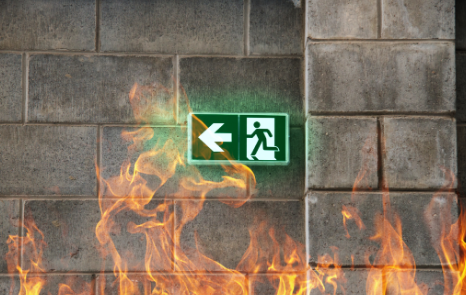
Fire safety is a critical responsibility for building owners, facility managers, and occupants alike. A single oversight can lead to devastating consequences, including loss of life, severe injuries, property damage, and legal liabilities. This is why a comprehensive fire risk assessment in buildings is not just a regulatory requirement in many regions but also a moral and operational necessity. A well-executed fire risk assessment identifies potential hazards, evaluates risks, and implements effective control measures to minimize the likelihood and impact of fire incidents.
Understanding Fire Risk Assessment
A fire risk assessment is a systematic process of identifying fire hazards, evaluating who may be at risk, and determining appropriate preventive and protective measures. Unlike a basic checklist, a comprehensive assessment examines the entire building environment, including structure, occupancy, activities, and management practices. It ensures that fire safety measures are not only present but also suitable, sufficient, and properly maintained.
Importance of Comprehensive Fire Risk Assessment in Buildings
Conducting a comprehensive fire risk assessment in buildings offers multiple benefits. It enhances occupant safety, protects valuable assets, and ensures compliance with fire safety laws and standards. It also helps organizations reduce insurance costs, avoid penalties, and maintain business continuity. Most importantly, it creates a safer environment by proactively addressing potential fire scenarios before they escalate into emergencies.
Key Objectives of a Fire Risk Assessment
The primary objective is to identify potential sources of ignition, fuel, and oxygen that could contribute to a fire. Another key goal is to assess how a fire could spread within the building and how occupants would evacuate safely. The assessment also aims to evaluate the effectiveness of existing fire prevention systems, detection methods, and emergency response procedures.
Identifying Fire Hazards in Buildings
Fire hazards can be categorized into three main components: ignition sources, combustible materials, and oxygen supply. Common ignition sources include electrical equipment, heating systems, open flames, and hot surfaces. Combustible materials may consist of furniture, paper records, chemicals, textiles, and flammable liquids. Oxygen sources include natural airflow, ventilation systems, and oxygen cylinders in medical or industrial settings. A comprehensive assessment identifies how these elements interact within the building.
Evaluating People at Risk
Different buildings house different types of occupants, and each group faces unique risks. Employees, residents, visitors, children, elderly individuals, and people with disabilities require special consideration. A comprehensive fire risk assessment in buildings evaluates evacuation capabilities, mobility challenges, and the need for additional support or assistive measures to ensure everyone can escape safely during an emergency.
Assessing Fire Prevention Measures
Prevention is the first line of defense against fire. This includes proper electrical maintenance, safe storage of flammable materials, controlled use of ignition sources, and housekeeping practices that reduce fuel load. A thorough assessment examines whether preventive measures are adequate and consistently followed across all areas of the building.
Fire Detection and Warning Systems
Early detection plays a crucial role in minimizing fire damage and saving lives. Smoke detectors, heat detectors, fire alarms, and manual call points must be strategically placed and regularly tested. A comprehensive assessment ensures that detection systems are appropriate for the building’s size, layout, and usage, and that alarms are audible and visible to all occupants.
Fire Protection and Suppression Systems
Fire protection systems such as fire extinguishers, sprinkler systems, fire hoses, and suppression systems must be suitable for the specific fire risks present. The assessment evaluates the type, location, accessibility, and maintenance of these systems to ensure they function effectively when needed.
Means of Escape and Emergency Planning
Safe evacuation routes are a cornerstone of fire safety. A comprehensive fire risk assessment in buildings examines escape routes, emergency exits, signage, lighting, and assembly points. It ensures that routes are unobstructed, clearly marked, and sufficient for the number of occupants. Emergency plans, drills, and staff training are also evaluated to confirm preparedness.
Fire Safety Management and Documentation
Effective fire safety relies on proper management and documentation. This includes fire safety policies, staff responsibilities, maintenance records, training logs, and emergency procedures. A comprehensive assessment ensures that documentation is up to date and that responsible persons understand and fulfill their roles.
Regular Review and Continuous Improvement
Fire risks change over time due to building modifications, occupancy changes, or new equipment. Therefore, a comprehensive fire risk assessment in buildings is not a one-time activity. Regular reviews and updates ensure that fire safety measures remain effective and relevant, promoting continuous improvement in safety standards.
Read Also: Home Owner’s Guide To Roof Repair And Maintenance
Conclusion
A comprehensive fire risk assessment in buildings is an essential process that safeguards lives, property, and operations. By identifying hazards, assessing risks, and implementing effective preventive and protective measures, building owners and managers can significantly reduce fire-related dangers. Regular reviews, proper management, and occupant awareness ensure long-term fire safety and resilience. Investing in a thorough fire risk assessment is not only a legal obligation but also a vital step toward creating a safe and secure built environment.
Frequently Asked Questions (FAQs)
What is a comprehensive fire risk assessment in buildings?
It is a detailed evaluation of fire hazards, risks to occupants, and existing fire safety measures within a building to ensure adequate prevention, protection, and emergency response.
Who is responsible for conducting a fire risk assessment?
Typically, the building owner, employer, or designated responsible person is accountable for ensuring that a fire risk assessment is carried out and kept up to date.
How often should a fire risk assessment be reviewed?
A fire risk assessment should be reviewed regularly and whenever there are significant changes to the building, occupancy, or activities, or after a fire-related incident.
What types of buildings require a fire risk assessment?
Almost all buildings, including residential, commercial, industrial, healthcare, and educational facilities, require a fire risk assessment to ensure occupant safety.
What happens if a building does not have a proper fire risk assessment?
Failure to conduct a proper assessment can lead to increased fire risk, legal penalties, insurance issues, and potentially severe consequences in the event of a fire.
