Sydney lawns face a specific set of challenges driven by the city’s warm, humid summers, its range of soil types from heavy clay to sandy coastal profiles, the intensity of summer UV, and the wide variation in conditions between shaded garden rooms and full-sun open areas. Understanding the most common lawn problems that Sydney gardeners encounter — and knowing what causes them and how to address them effectively — is the starting point for maintaining a healthy, attractive lawn throughout the year.
Lawn grubs and insect damage
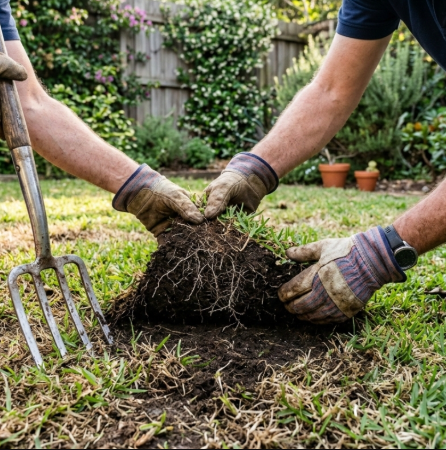
Lawn grubs — the larval stage of various beetles including African black beetle and couch grass beetle — are one of the most destructive pests affecting Sydney lawns, particularly during the summer and early autumn months when adult beetles are active and larvae are feeding on grass roots just below the surface. The signs of a grub infestation typically appear as irregular brown patches that feel spongy underfoot and can be lifted like loose carpet because the root system has been destroyed by feeding larvae working unseen beneath the surface.
Sourcing healthy, pest-resistant turf in Sydney from a reputable supplier reduces the likelihood of introducing insects or disease to an established garden, but even well-sourced lawns can be affected by pest pressure from surrounding properties and garden areas. Treating an active grub infestation requires the application of a registered lawn insecticide, followed by watering the product in to ensure it reaches the root zone where the larvae are feeding. Early treatment, before the infestation has caused extensive root damage, produces significantly better recovery outcomes than delayed intervention.
Armyworms — the caterpillar stage of certain moth species — can devastate a Sydney lawn rapidly, consuming grass blades at an alarming rate and leaving behind bare, brown patches that appear almost overnight. Armyworm activity is most common during warm, humid periods following significant rainfall and is often concentrated in low-lying or shaded areas of the lawn. Close inspection of the turf at dusk or after rain will reveal the caterpillars feeding on the surface; treatment with an appropriate registered product stops the damage quickly once the pest is identified correctly.
See also: The Growing Influence of Voice Assistants in Everyday Life
Fungal disease
Sydney’s humid summers create ideal conditions for fungal diseases, the most common of which is dollar spot — circular patches of bleached, straw-coloured grass typically ranging from coin-sized to dinner-plate diameter that appear in warm, moist conditions. Dollar spot is most prevalent on lawns that are moisture-stressed, under-fertilised, or watered in the late afternoon, leaving the grass wet overnight. Improving lawn nutrition, adjusting watering times to morning, and ensuring adequate air circulation by not letting the grass grow excessively long between mowings all help to prevent dollar spot and reduce its severity.
Brown patch is another fungal disease common in Sydney lawns during hot, humid conditions, producing larger irregular patches of brown, water-soaked-looking grass that may have a darker border. Like dollar spot, brown patch is exacerbated by excessive nitrogen, poor drainage, and conditions that keep the grass surface wet for extended periods. Reducing irrigation frequency, improving soil drainage through aeration, and applying a registered fungicide where the infection is severe will arrest the progression and allow the lawn to recover as conditions improve through autumn.
Soil compaction and thatch
Compacted soil is one of the most pervasive and underdiagnosed causes of poor lawn performance in Sydney gardens, particularly in the inner suburbs and older residential areas where clay subsoils and decades of foot traffic and mowing have reduced soil porosity significantly. Compaction prevents water and oxygen from penetrating the soil profile, forces roots to remain near the surface where they are most vulnerable to heat and drought stress, and creates conditions in which weeds — which are more tolerant of compaction than most lawn grasses — gain a competitive advantage over the turf.
Thatch — the layer of accumulated organic matter including dead roots, stems, and runners that builds up between the grass blades and the soil surface — becomes problematic when it exceeds approximately twelve millimetres in depth, impeding water penetration and creating a habitat for pests and pathogens. Aggressive scarifying or dethatching in late spring, followed by aeration and topdressing with a quality lawn sand or compost blend, addresses both compaction and thatch simultaneously and dramatically improves the lawn’s ability to utilise water and nutrients effectively throughout the season.
Weed invasion
Weeds are both a symptom and a cause of lawn problems — they typically establish in areas where the turf is thin, stressed, or damaged, and once established they compete with the grass for water, nutrients, and light in ways that further weaken the lawn’s ability to recover and fill in the affected areas. Bindii, winter grass, clover, and dandelion are among the most common weed species affecting Sydney lawns, each thriving in specific conditions and requiring specific treatment approaches for effective control.
Solving problems — whether in a lawn or in any creative field — requires correctly identifying the root cause before applying a solution. Just as a designer researching graphic design t-shirts focuses on understanding the specific needs of the project before choosing a style or direction, effective lawn problem-solving starts with accurate diagnosis: understanding why the weed, pest, or disease has established before selecting the most appropriate and targeted response.
Selective herbicides formulated for use on specific turf varieties allow the targeted removal of broadleaf weeds and winter grass without harming the desired lawn species, but the timing and application rate of these products must be followed precisely to avoid damage to the turf. Pre-emergent herbicides applied in late winter can prevent the germination of winter grass and bindii seeds before they establish, making them a valuable preventive tool for Sydney homeowners whose lawns have historically been affected by these persistent annual weeds.
Watering and fertilising mistakes
Overwatering is a surprisingly common cause of lawn problems in Sydney, counterintuitive as this may seem during the hot summer months. Lawns watered too frequently develop shallow root systems that are dependent on regular irrigation and become highly stressed during watering restrictions or unexpected dry periods. Deep, infrequent watering — applying enough to wet the soil to a depth of at least one hundred millimetres and then allowing the surface to dry somewhat before watering again — develops deeper root systems and more drought-tolerant lawns that require less ongoing irrigation to maintain their condition.
Under-fertilising is equally common, with many Sydney homeowners applying fertiliser only once or twice a year and being surprised when their lawn loses colour and density during the growing season. Warm-season grasses like buffalo and kikuyu benefit from regular fertilisation through spring and summer, with a slow-release product applied at the start of the season followed by quick-release applications every six to eight weeks through the active growing period. Matching the fertiliser programme to the grass’s actual growth cycle produces markedly better results than irregular or inadequate feeding throughout the year.
